193 Years in Operation: From Copenhagen Harbour to Global Towage
3 March 2026 – If you take a stroll around Copenhagen's historic — albeit touristy — Nyhavn district, you might stumble upon a statue of a man in a diving helmet on the side of a historic building. That diving helmet conceals more than just the diver's face; if you look a little deeper, you might also discover the history of a quiet achiever that founded what is now a global leader in the maritime industry. That company is Svitzer, which is celebrating its 193rd birthday today.
What follows is a short history on Svitzer’s founding and how the spirit of Emil Zeuthen Svitzer lives on through the company today.
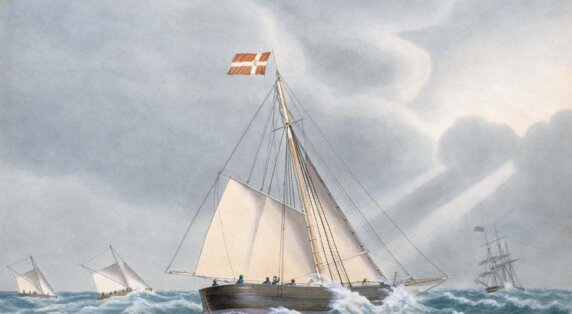
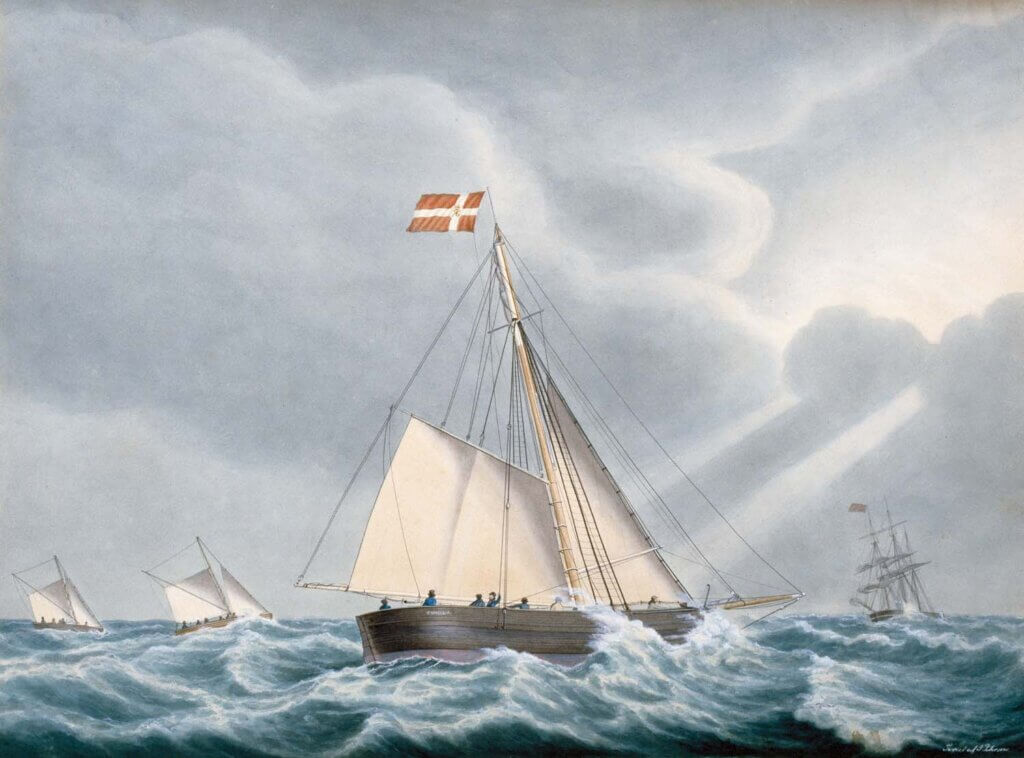
On 3 March 1833, Emil Zeuthen Svitzer founded a small salvage company in Copenhagen with three vessels and a clear purpose. Trade moved by sea, and when something went wrong, the consequences were immediate and costly. Having experienced the risks of shipping first-hand, he set out to build a company that could respond quickly, reduce loss, and protect both people and property. 193 years later, that purpose still defines Svitzer. What has changed is the scale.
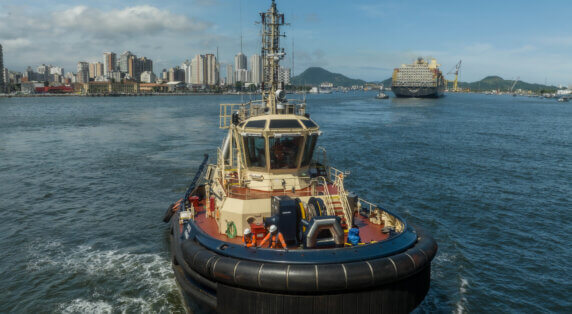
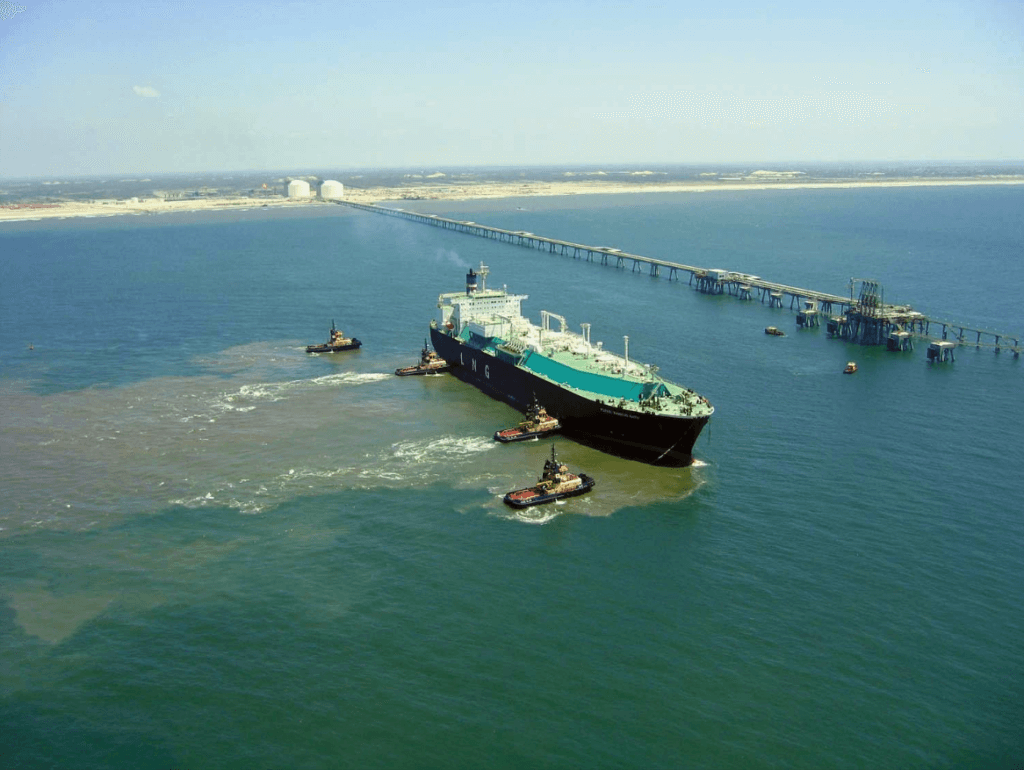
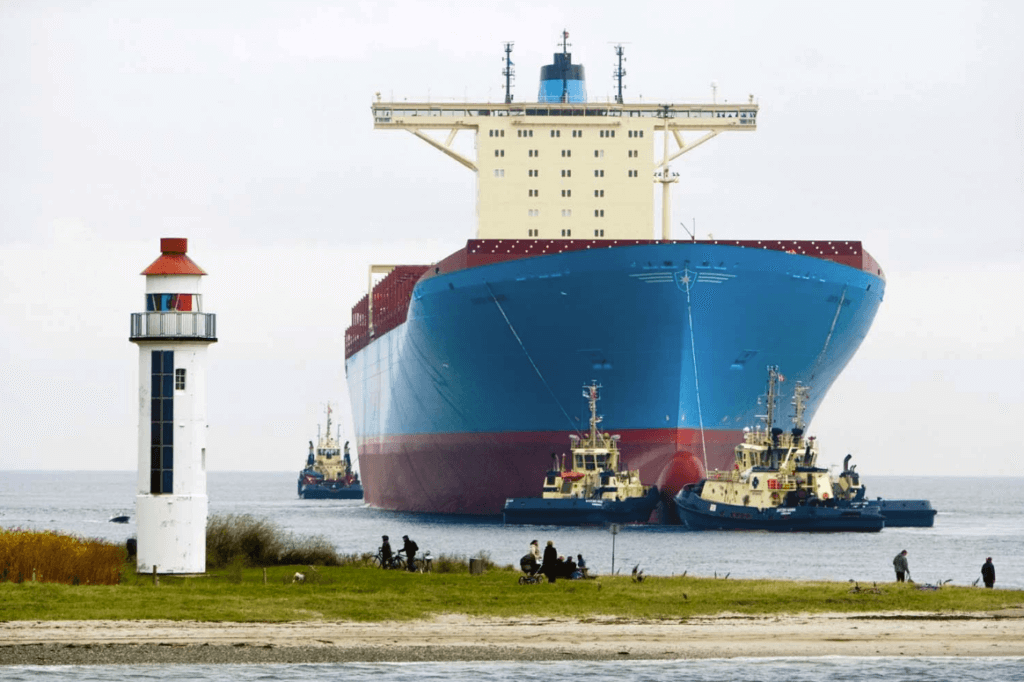
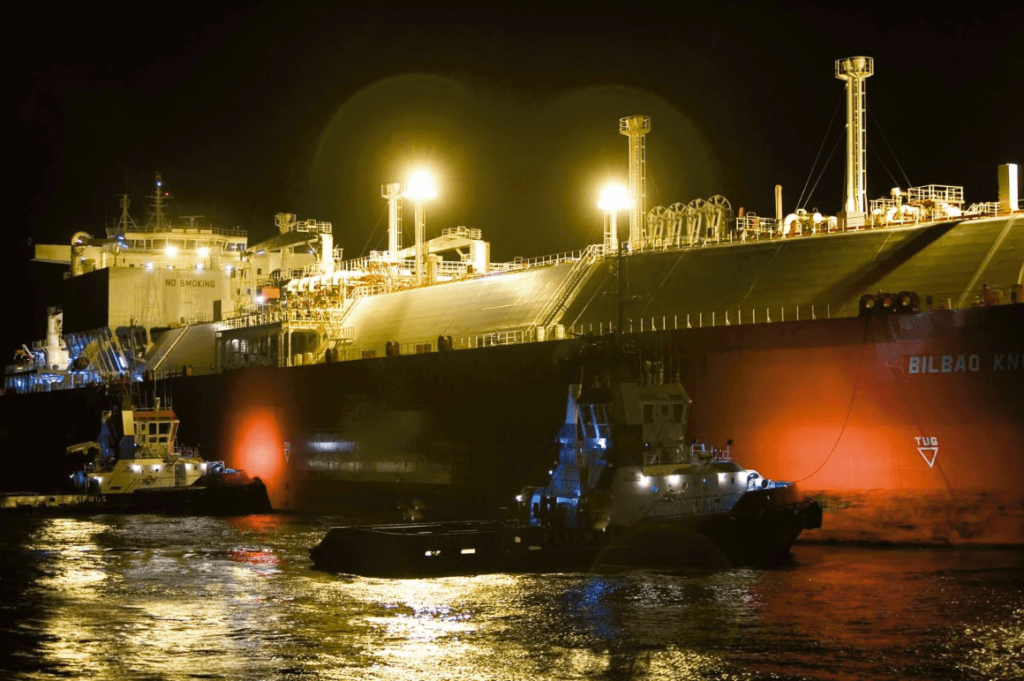
From local salvage operations in Nordic waters, Svitzer has developed into a global towage and marine services provider operating in 157 ports and 46 terminals, worldwide. Our expert team and capable fleet support container vessels, tankers, bulk carriers, and cruise ships in some of the world’s busiest harbours. Our crews work alongside pilots, port authorities and customers to keep trade moving safely, economies thriving and communities strong.
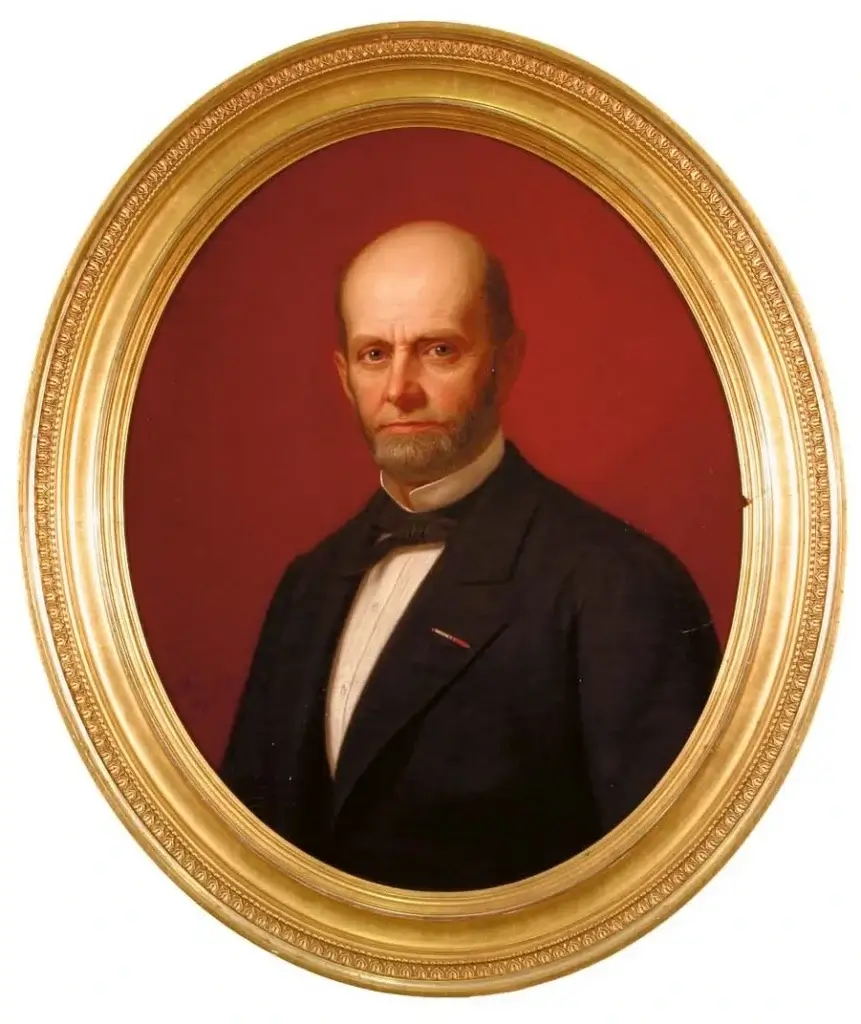
Built on Practical Experience
In the early years, success depended on blending operational readiness with innovation. When the telegraph opened in Denmark in the 1850s, Emil Svitzer organised coastal contacts to ensure that incidents were reported quickly. When professional diving equipment became available, he invested in it. When steam propulsion changed the maritime industry, he adapted his fleet accordingly.
These were practical decisions taken by a founder who understood risk from experience.
As the business developed beyond its early years and into a formal company structure, that approach continued. Investment in capability, attention to operational detail, and willingness to adopt new technology became part of Svitzer’s way of working.
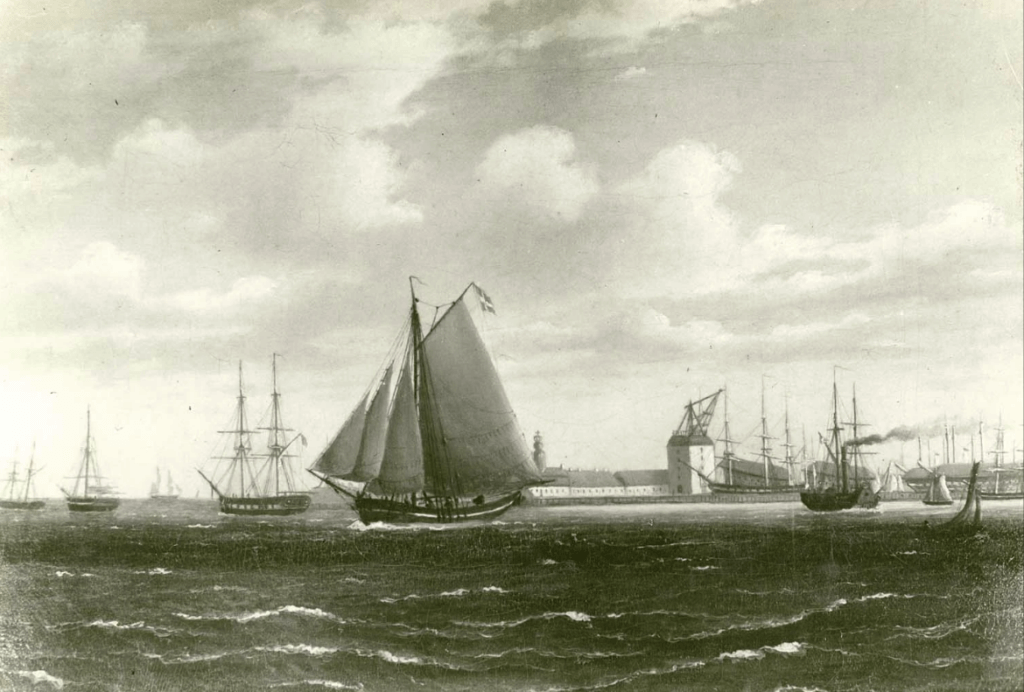
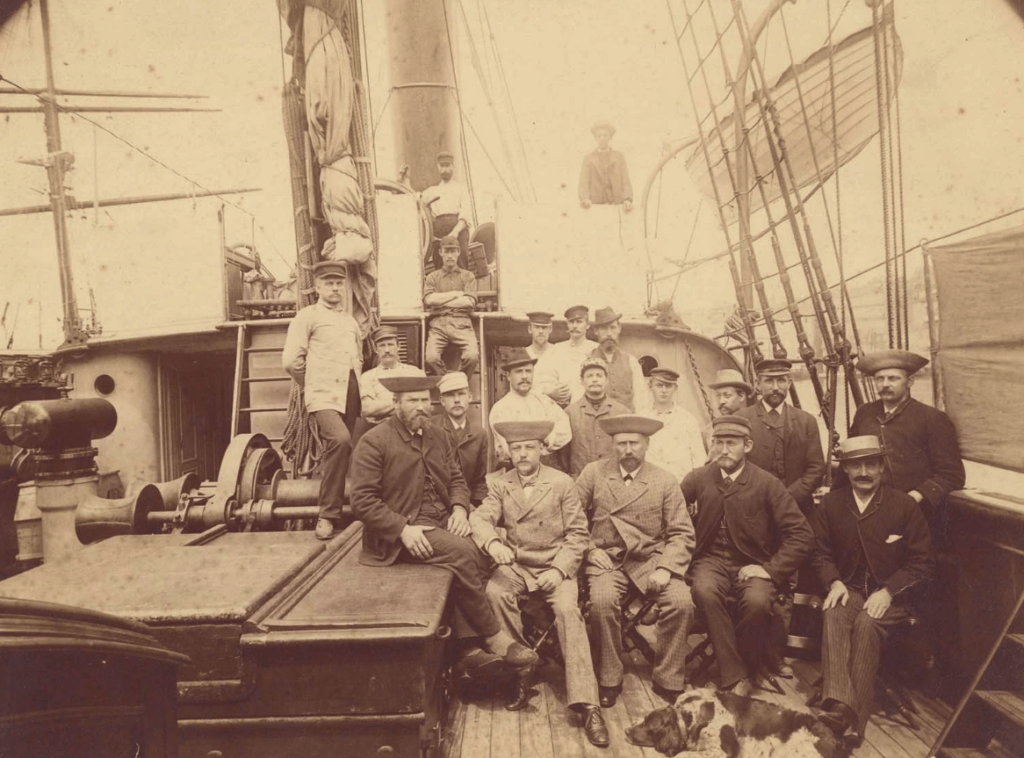
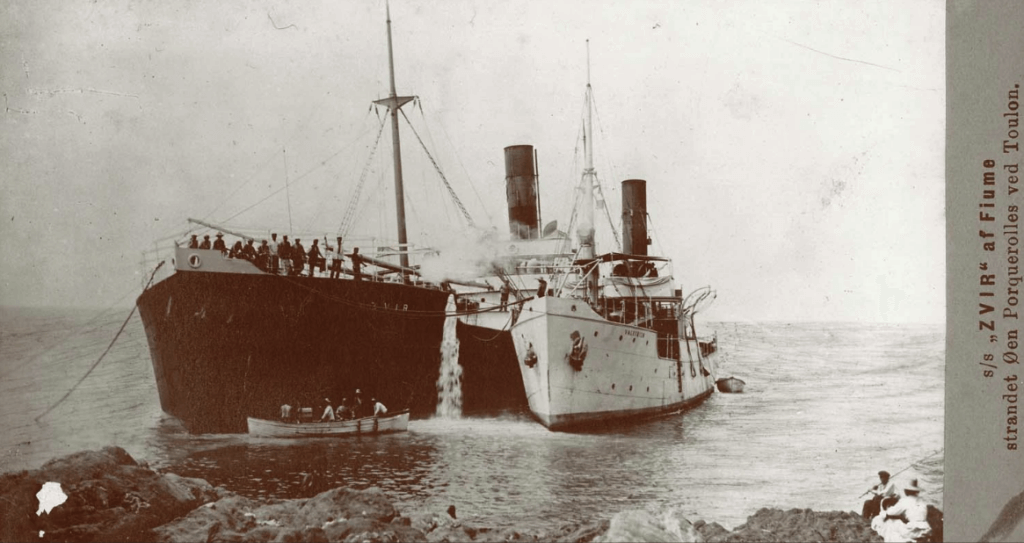
These practical decisions improved both response time and operational capability. As trade expanded, so did Svitzer. By the late 1800s and early 1900s, stations had been established beyond Danish borders, including in the Mediterranean and, later, Asia. This international growth required negotiation and partnerships, as well as disciplined leadership, and, of course, skilled onshore and offshore crews who could operate in unfamiliar waters. The lesson from that period still applies today; vessels and equipment matter, and people make the difference.
Innovation that reflects Experience and Heritage
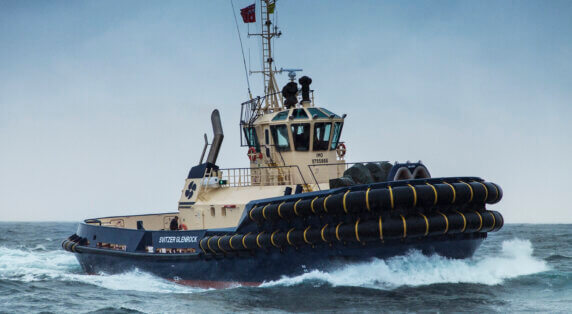
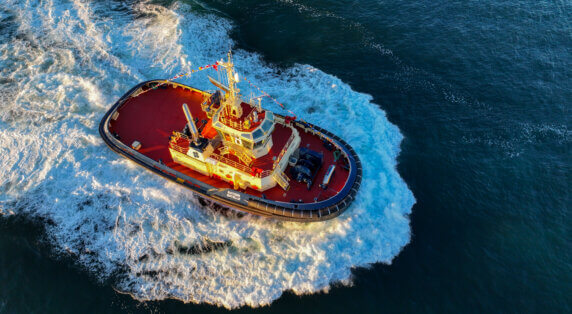
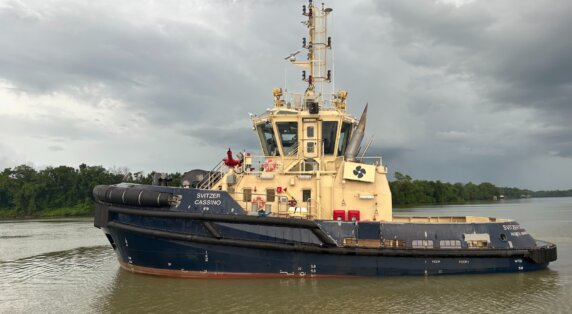
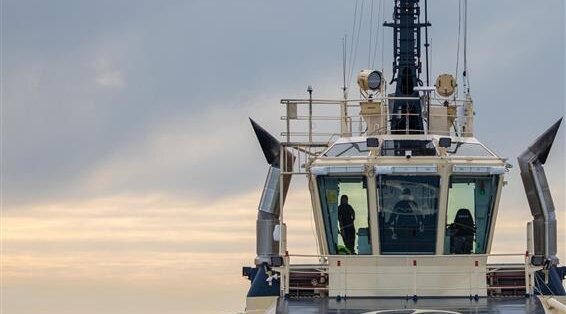
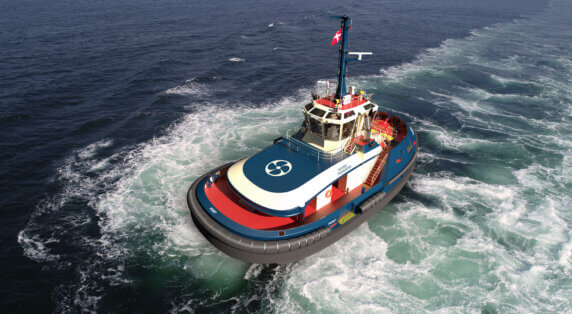
The development of Svitzer’s fleet has both been guided by and anticipated operational and industry needs. From early steam-powered salvage vessels to high-powered ASD tugs, each generation of innovations has reflected the demands of its time. Acquisitions and fleet renewal over the last few decades have established Svitzer as the world’s leading towage and marine services provider. As we continue to focus on design, performance and innovation, the TRAnsverse tug is the latest example. The TRAnsverse tug represents the new benchmark for towage performance, responsiveness, power and safety. A proprietary design of Svitzer’s that combines a patented staple configuration with a new hull form and inline propulsion that provides outstanding manoeuvrability and operational flexibility in harbour and terminal towage.
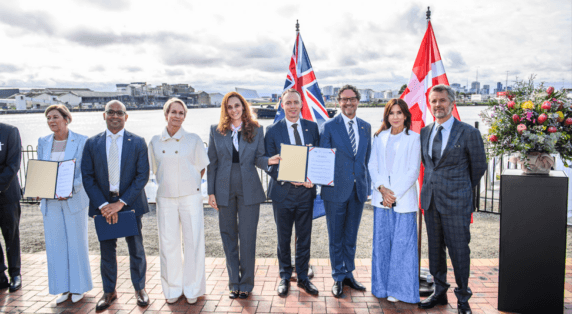
At the same time, our industry is undergoing a structural shift towards decarbonisation, and Svitzer is actively contributing to that transition. The latest example being a commitment to build battery-electric TRAnsverse tugs – combining advanced design with net zero aspirations. Svitzer recently signed a shipbuilding agreement with Cochin Shipyard Limited in India for four TRAnsverse 2600e tugs, with options for additional vessels. These next-generation electric tugs will support fleet renewal and enable zero direct emissions during harbour operations when powered by green electricity.
Alongside electrification, we continue to reduce emissions in global towage through operational efficiency, hybrid propulsion, alternative fuels and close collaboration with ports and customers. Our EcoTow solution is one example. It provides customers with direct carbon insetting opportunities within their own maritime value chains, linking operational performance with measurable emissions reductions.
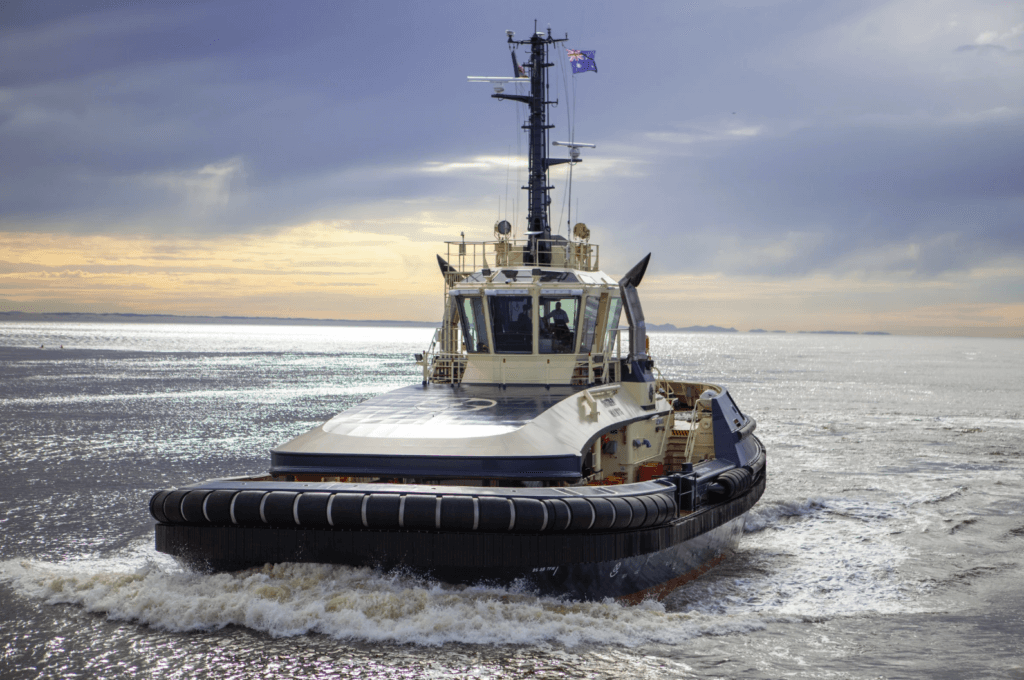
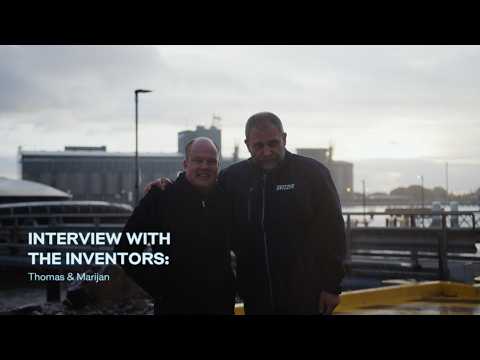
Meet the Inventors: Svitzer TRAnsverse tug
Long-Term Relationships
Since 1833, our business has depended on trust. Historical accounts of the company highlight the importance placed on reputation among shipowners and marine underwriters. Professional conduct, responsiveness and maintaining goodwill were central to remaining competitive. That customer focus continues to define how we operate.
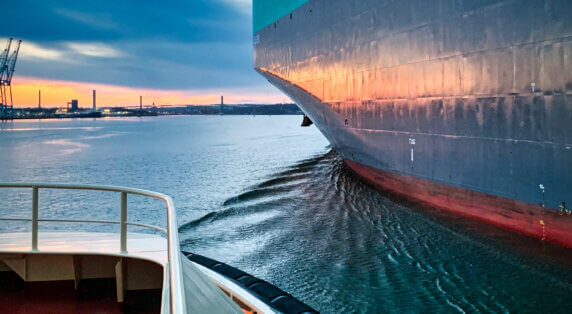
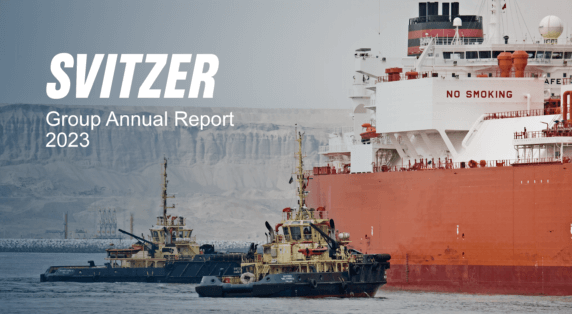
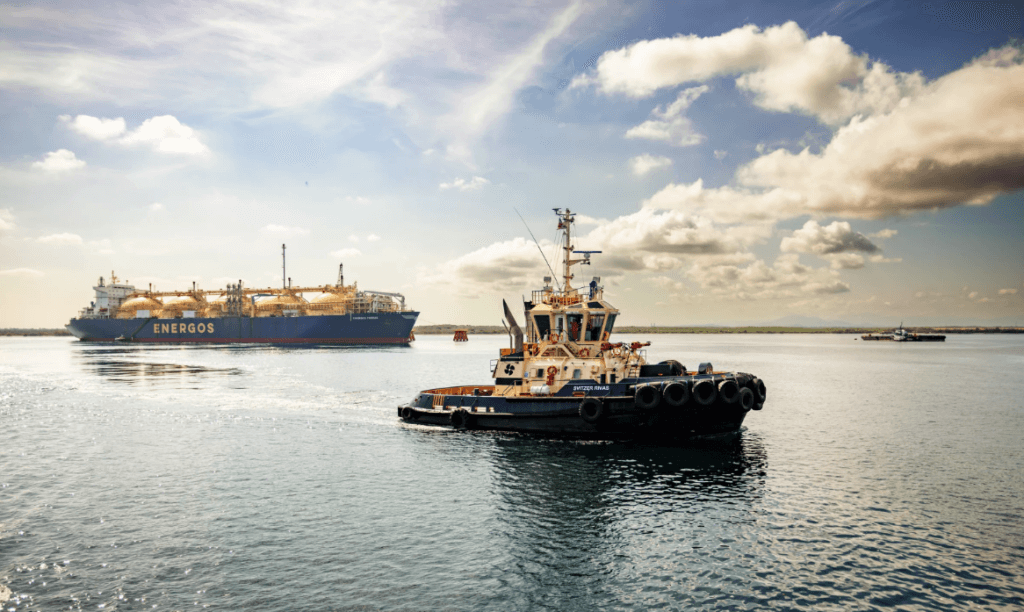
Today, our customers rely on us in situations where precision matters. A towage job may only take minutes, but the preparation behind it is extensive. Reliability and consistency are critical. (Image: Svitzer Rivas and an Energos vessel in the Dominican Republic, September 2025.)
In 2025, our Net Promoter Score reached 47, up from 46 in 2024 and an industry-leading NPS in our sector. Based on feedback from 183 customers across 298 responses, the result reflects strong confidence in our service delivery and reinforces our ambition to deepen customer partnerships globally.
Our People
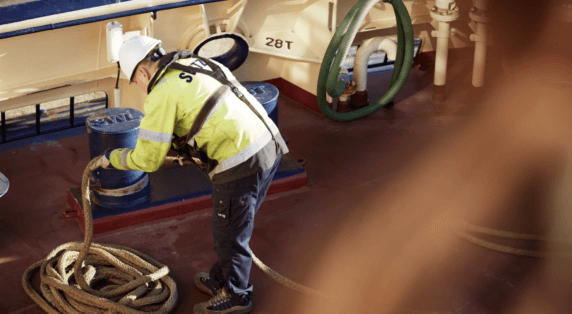
Across our fleet and offices, Svitzer is built on maritime experience and dedicated professionals. Tug masters, engineers and deck crews work in close coordination where timing, judgement and communication are key. A towage job may appear straightforward from the outside, but it depends on planning, vessel readiness, procurement of parts, maintenance schedules and a clear customer coordination behind the scenes.
The same applies across shore-based teams. Operational planners, technical managers and commercial colleagues and many more ensure that vessels are maintained, resources are available and customer expectations are understood before a job begins, no matter when or where.
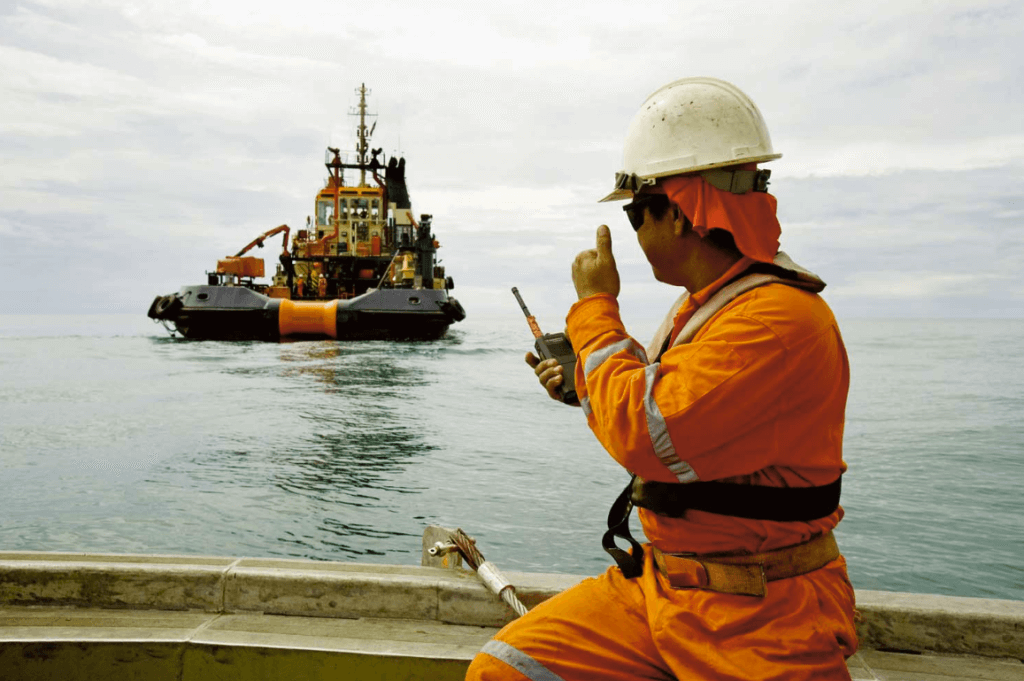
As we mark 193 years, it is appropriate to recognise colleagues across regions who carry that responsibility every day, 356 days a year. Our performance is a reflection of the competence, discipline and judgement of our people in every port where we operate and the customers who trust us with their services. (Image: Svitzer Marine Support vessel UNIWISE RAYONG in action, offshore in the Gulf of Thailand)
Safety: Looking Out for Each Other
At Svitzer, every day is Safety Day. Global Safety Day gives us a moment to pause and reflect on how we look out for each other across vessels, ports and offices. The 2025 theme, Looking Out for Each Other, highlights that safety is not only systems and procedures. It is behaviour, leadership and daily decisions that define us when we are working at our best.
Through the Safety Awards, Everyday Actions, Extraordinary Impact, we recognise colleagues and teams across three categories
• Everyday Safety Hero
• Team Safety Innovation
• Mental Health and Wellbeing Champion
This year’s finalists demonstrate how safety is strengthened in practical ways across regions.
Everyday Safety Hero
In Brisbane, Jeff Hircock has been recognised for consistently raising safety standards, supporting additional training and speaking up when risks are identified. In Tees, Scott Hill is known for proactively addressing issues before they escalate, helping maintain an injury-free working environment.
Team Safety Innovation
In Paranaguá, Brazil, Captain Rangel Suzena Maria and the crew of Svitzer Roberto M. introduced colour-coded safety eyes on mooring lines to improve handling, reduce strain and strengthen control during operations. In Dampier, the crew of Svitzer Dragon developed a hose and valve system that removed manual handling from deck operations, reducing exposure and physical risk.
Mental Health and Wellbeing Champion
In Bahrain, Sayed Hashem Mosa AlKamel provided steady support to colleagues following a difficult incident, reinforcing the importance of psychological safety. In the Americas, Jireh De Gracia has fostered a culture of regular check-ins and open dialogue.
In Fremantle, Zoe Gill has been recognised for encouraging conversations around wellbeing and supporting colleagues across teams. These examples reflect different aspects of safety, from operational discipline to innovation and mental health support. Together, they show that looking out for each other is not an abstract principle. It is visible in actions taken every day across our organisation.
193 Years in Context
For nearly two centuries, Svitzer has evolved from conducting local salvage operations in Nordic waters to providing global towage services in major ports worldwide. Ownership structures have also changed. Technology has advanced. Trade patterns have shifted. In 2024, Svitzer was demerged and listed as an independent company. The following year, A.P. Moller Holding took full ownership.
Across ownership changes, new technology and shifting trade patterns, one thing has stayed consistent. Svitzer’s role is to deliver safe and reliable towage that keeps ports moving. That depends on disciplined teamwork, clear communication, and people who
Timeline
• 1833 Emil Z. Svitzer establishes a salvage company in Copenhagen with three vessels.
• 1842 First professional diving equipment acquired, strengthening underwater inspection and salvage capability.
• 1860 First steam-powered salvage vessel introduced following the rebuilding of a salvaged steamship.
• 1872 Company transformed into a stock company, enabling capital for expansion.
• 1889–1910 International expansion with stations established in the Mediterranean, Northern Europe and later Asia, including Hong Kong.
• 1956–1957 Appointed by the United Nations, together with Smit, to lead the clearance of the Suez Canal after it was blocked by sunken vessels.
• 1960s–1970s Technological upgrades in salvage operations. Increasing use of vessels for towage, ocean towage and offshore marine services as global trade grows.
• 1979 The A.P. Moller Group becomes majority owner.
• 1999–2007 Global acquisitions including Röda Bolaget, Wijsmuller and Adsteam Marine establish Svitzer as the world’s leading towage provider. Significant fleet renewal undertaken.
• 2003–2005 Strategic focus on towage and response services. Non-core activities divested.
• 2015 Salvage activities merged into Ardent, later divested in 2019, sharpening focus on towage.
• 2024–2025 Svitzer demerged from A.P. Moller – Maersk, listed on Nasdaq Copenhagen and subsequently taken into full ownership by A.P. Moller Holding.
• 2026 Majority acquisition of Buksér og Berging